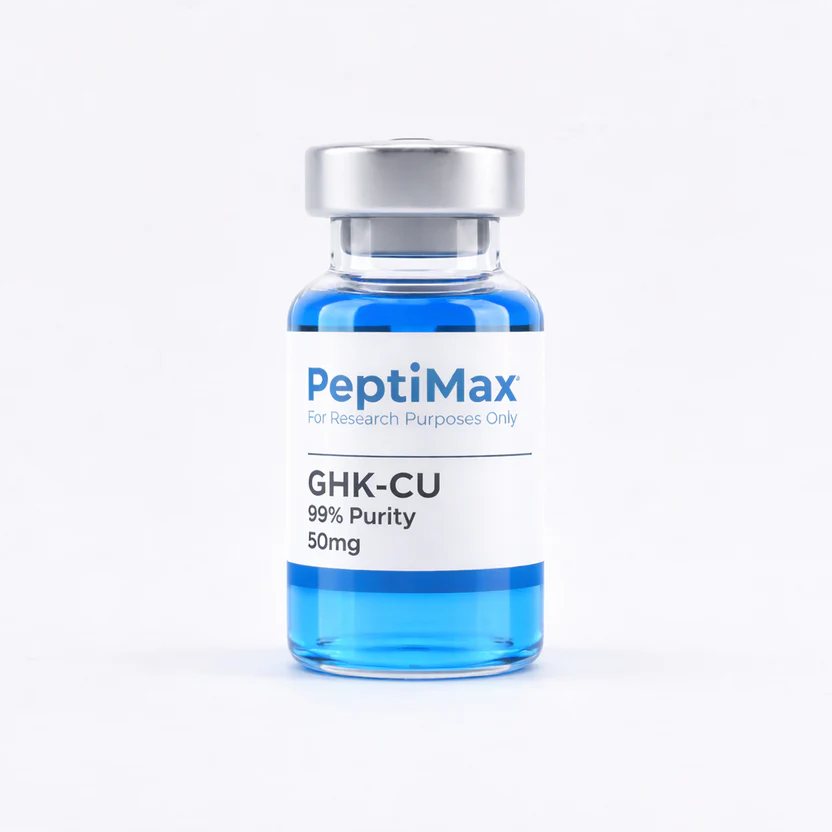
GHK-Cu – Research Grade Peptide
GHK-Cu is a well-studied copper-binding peptide widely used in laboratory settings for advanced scientific investigation. As a research-grade compound, it is intended strictly for in vitro and experimental use by qualified professionals. This peptide complex, consisting of glycyl-L-histidyl-L-lysine bound to copper ions, has attracted significant attention in biochemical and cellular research due to its unique structure and functional versatility.
GHK-Cu Overview and Research Applications
In scientific research, GHK-Cu is frequently explored for its role in cellular communication, protein interactions, and molecular signaling pathways. Its copper-binding ability contributes to enhanced stability and makes it particularly valuable in peptide chemistry and molecular biology studies. Researchers are interested in how this compound behaves across different experimental models, especially in studies focused on tissue-related processes, cellular response mechanisms, and protein synthesis pathways.
One of the defining characteristics of GHK-Cu is its small molecular size, which allows efficient interaction within controlled laboratory environments. This property enables researchers to analyze its behavior in detail, including its involvement in gene expression studies, enzyme activity, and extracellular matrix interactions. As a result, GHK-Cu continues to be widely referenced in scientific literature and peptide-based research discussions.
GHK-Cu Purity and Laboratory Standards
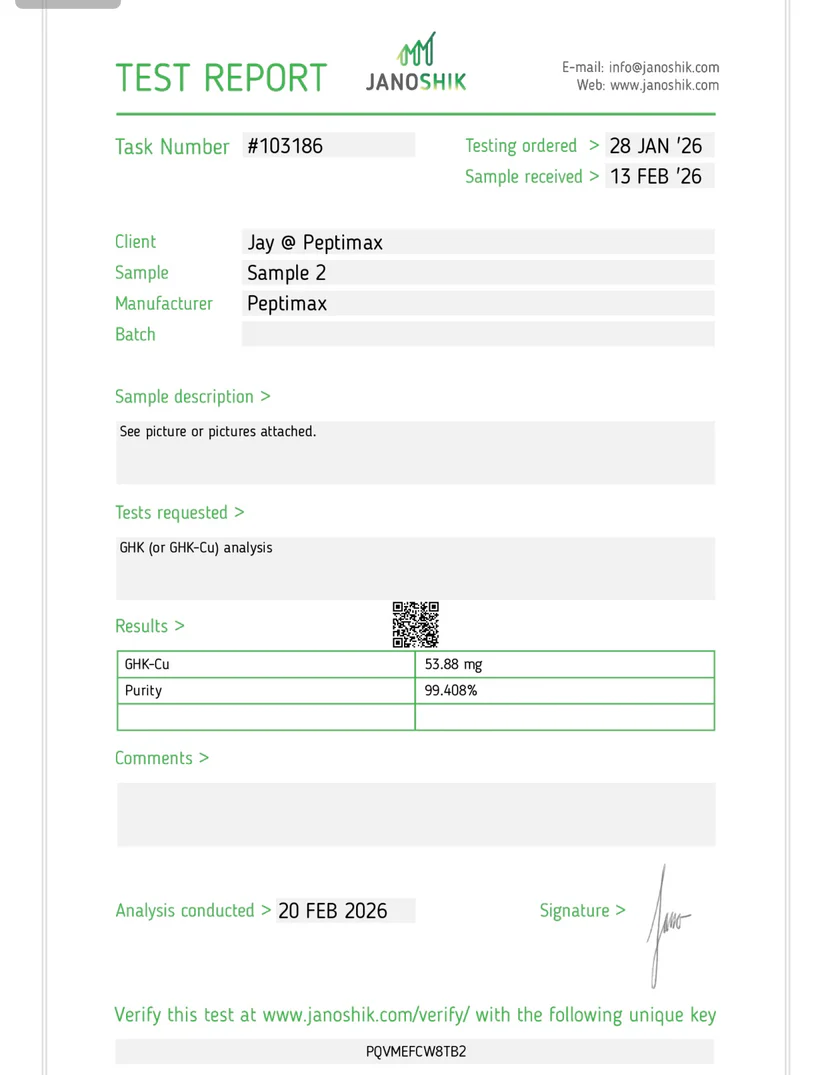
The production quality of GHK-Cu plays a crucial role in ensuring reliable and reproducible research outcomes. High-quality GHK-Cu is synthesized using advanced laboratory techniques and undergoes strict quality control procedures. These processes often include analytical methods such as high-performance liquid chromatography (HPLC) and mass spectrometry to verify purity, identity, and consistency. Trusted suppliers provide certificates of analysis (COA) and third-party testing to ensure transparency and support accurate research findings.
GHK-Cu is typically supplied in a lyophilized (freeze-dried) form, which enhances its stability during storage and transportation. Proper storage conditions, such as refrigeration and protection from light and moisture, are essential to maintain its integrity. Researchers must follow standardized reconstitution protocols to ensure consistency in experimental applications and to avoid variability in results.
GHK-Cu in Scientific Research Studies
Within the scope of laboratory research, GHK-Cu continues to be studied for its interactions at the molecular and cellular levels. Scientists examine its potential role in peptide-copper complexes and how it contributes to broader biochemical processes. These investigations are valuable for expanding knowledge in peptide science and understanding the relationship between metal ions and biological systems.
Additionally, GHK-Cu is often included in comparative research studies alongside other peptides to evaluate structural differences, binding efficiency, and functional behavior. This allows researchers to gain deeper insights into peptide performance and optimize experimental models. Its consistent performance and well-documented profile make it a preferred choice for many laboratories conducting peptide-based investigations.
It is important to emphasize that GHK-Cu is strictly intended for research purposes only. It is not approved for human consumption or clinical use. Any application outside of controlled laboratory environments is not appropriate. Proper safety procedures, handling guidelines, and regulatory standards must always be followed when working with this compound.
When sourcing GHK-Cu, selecting a reputable supplier is essential to ensure product quality and consistency. Factors such as peptide purity, manufacturing standards, packaging, and independent verification all contribute to the reliability of the compound. High-quality research peptides support accurate data collection and help maintain the integrity of scientific studies.
In conclusion, GHK-Cu remains a significant compound in peptide research due to its copper-binding properties and its role in ongoing scientific investigations. Its widespread use in laboratory studies highlights its importance in advancing knowledge within molecular biology and peptide chemistry. By adhering to strict quality standards and proper research protocols, scientists can continue to explore the full potential of this peptide in controlled experimental settings.
This research-grade peptide serves as a valuable tool for professionals seeking to deepen their understanding of complex biological interactions and peptide functionality.
Reviews
There are no reviews yet.