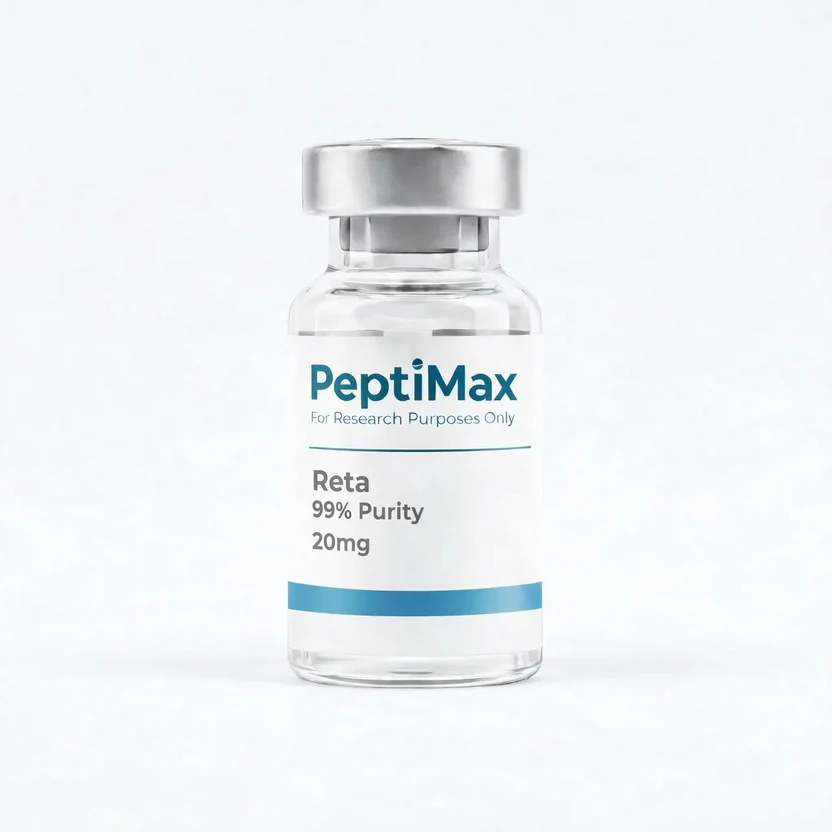

Retatrutide – Research Grade Peptide
What is Retatrutide?
Retatrutide is an advanced, research-grade peptide that has gained significant attention in metabolic and obesity-related scientific studies. It is a multi-receptor agonist designed to target key pathways involved in energy balance, glucose regulation, and appetite control. Specifically, Retatrutide acts on three hormone receptors—GLP-1 (glucagon-like peptide-1), GIP (glucose-dependent insulinotropic polypeptide), and glucagon receptors—making it a “triple agonist” with unique research potential.
This innovative mechanism distinguishes Retatrutide from earlier peptides that typically focus on only one or two pathways. As a result, it has become a subject of interest in preclinical and clinical research settings focused on metabolic optimization.
Mechanism of Action
Retatrutide’s triple-agonist profile enables it to influence multiple physiological systems simultaneously. By activating GLP-1 receptors, it may help regulate insulin secretion and reduce appetite. Through GIP receptor activation, it may enhance metabolic efficiency and energy utilization. Additionally, its action on glucagon receptors may contribute to increased energy expenditure and fat metabolism.
This combined activity creates a synergistic effect, making Retatrutide particularly valuable for research exploring weight management, glycemic control, and metabolic health. Its multi-targeted approach offers a broader scope of investigation compared to single-pathway peptides.
Research Applications
Retatrutide is strictly intended for laboratory and research purposes. It is commonly used in studies focusing on:Obesity and weight regulation
- Type 2 diabetes and insulin sensitivity
- Energy balance and metabolic rate
- Hormonal signaling pathways
Researchers are particularly interested in how Retatrutide compares to other peptides in terms of efficacy, durability, and overall metabolic impact. Early findings suggest promising outcomes, but further investigation is ongoing to fully understand its long-term effects and mechanisms.
Purity and Quality Standards
As a research-grade peptide, is manufactured under stringent quality control standards to ensure high purity and consistency. Reliable suppliers typically provide:
- High-performance liquid chromatography (HPLC) testing
- Certificates of analysis (COA)
- Verified purity levels (often ≥98%)
These quality measures are essential for ensuring reproducibility and accuracy in laboratory research. Proper storage—usually in a cool, dry environment or refrigerated conditions—is also critical to maintain peptide stability.
Handling and Storage
To preserve its integrity, Retatrutide should be handled with care. It is typically supplied in lyophilized (freeze-dried) form and may require reconstitution using bacteriostatic water for research applications.
Recommended handling practices include:
- Storing at low temperatures (2–8°C after reconstitution)
- Avoiding repeated freeze-thaw cycles
- Using sterile techniques during preparation
Following these guidelines helps maintain peptide stability and ensures reliable research outcomes.
Important Disclaimer
Retatrutide is a research compound and is not approved for human consumption, therapeutic use, or diagnostic applications. It is intended solely for qualified professionals conducting scientific studies in controlled environments.
Any references to potential effects are based on ongoing research and should not be interpreted as medical claims. Researchers are responsible for ensuring compliance with all applicable regulations and ethical guidelines when working with this compound.
Conclusion
Retatrutide represents a significant advancement in peptide research due to its triple-receptor targeting mechanism. Its ability to simultaneously influence multiple metabolic pathways makes it a valuable subject for scientific exploration, particularly in studies related to obesity, diabetes, and energy regulation.
With high purity standards and growing interest in its applications, Retatrutide continues to stand out as a cutting-edge research peptide. As studies progress, it may provide deeper insights into metabolic science and pave the way for future innovations in the field.
Reviews
There are no reviews yet.